Customers Cannot Find Their Size
Filters show models whose required size is out of stock, or availability has to be checked manually.
Solution: Filter by Available Variants

Call us +372 6104188
Write to us


We build fashion stores with easy size and color selection, collection and stock management, streamlined checkout and returns. We design both the storefront and the workflows behind it.
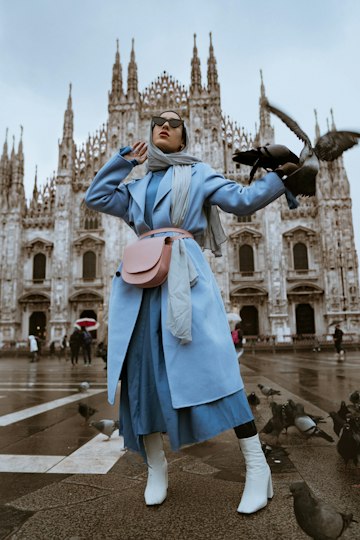
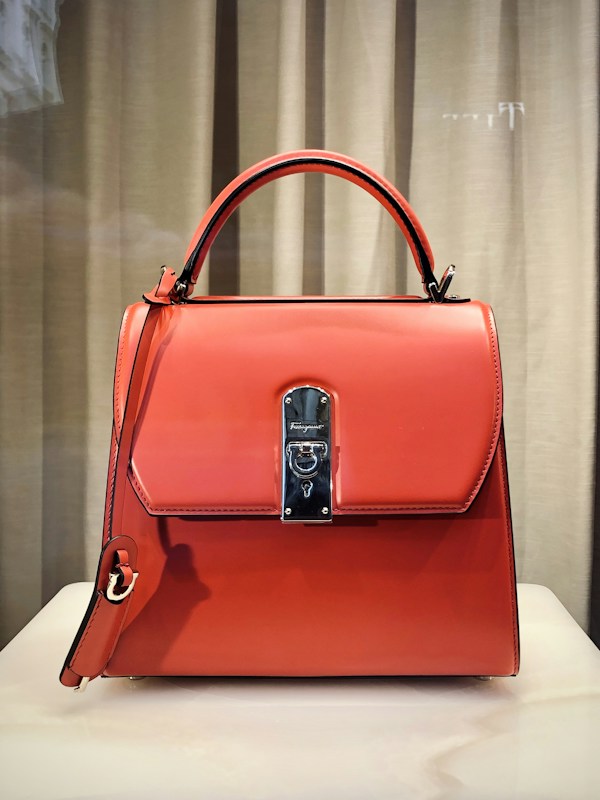
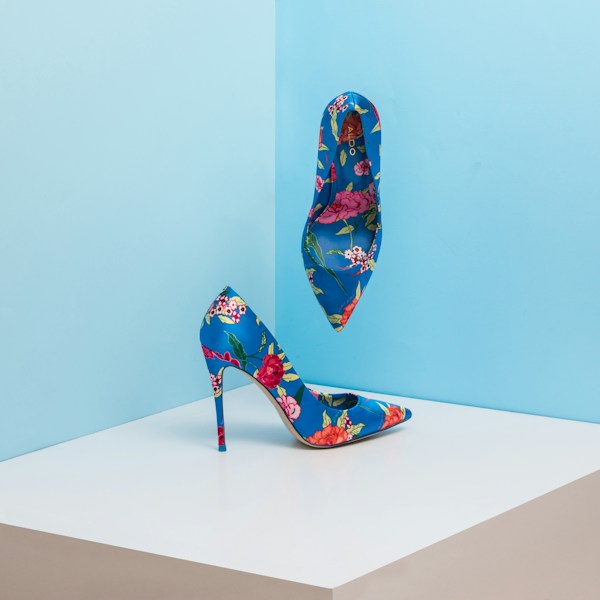
Clothing and footwear products often come in dozens of combinations of model, color, size, length, material and season. Customers expect to find the right option quickly and see whether it is in stock.
That is why catalogue structure, variant inventory, data exchange, returns, collection management and internal integrations should be planned before development begins.
Common situations that affect sales, workload and service quality.
Filters show models whose required size is out of stock, or availability has to be checked manually.
Solution: Filter by Available VariantsSales across physical stores, ecommerce and marketplaces can update the same inventory inconsistently.
Solution: One Reliable Inventory SourceThe size does not fit or color is unexpected, while exchanges and returns are processed manually.
Solution: Clear UX and Return WorkflowsCatalogue, prices, images, seasonal categories and promotion pages all need updating at once.
Solution: Collection Management and Bulk UpdatesBrand and supplier data arrive in different spreadsheets, formats and languages.
Solution: Import and Normalize Product DataNew brands, countries, languages and sales channels require more manual work.
Solution: Architecture Built for GrowthShow the right model, an available size and accurate stock information before checkout.
 NEW DROP
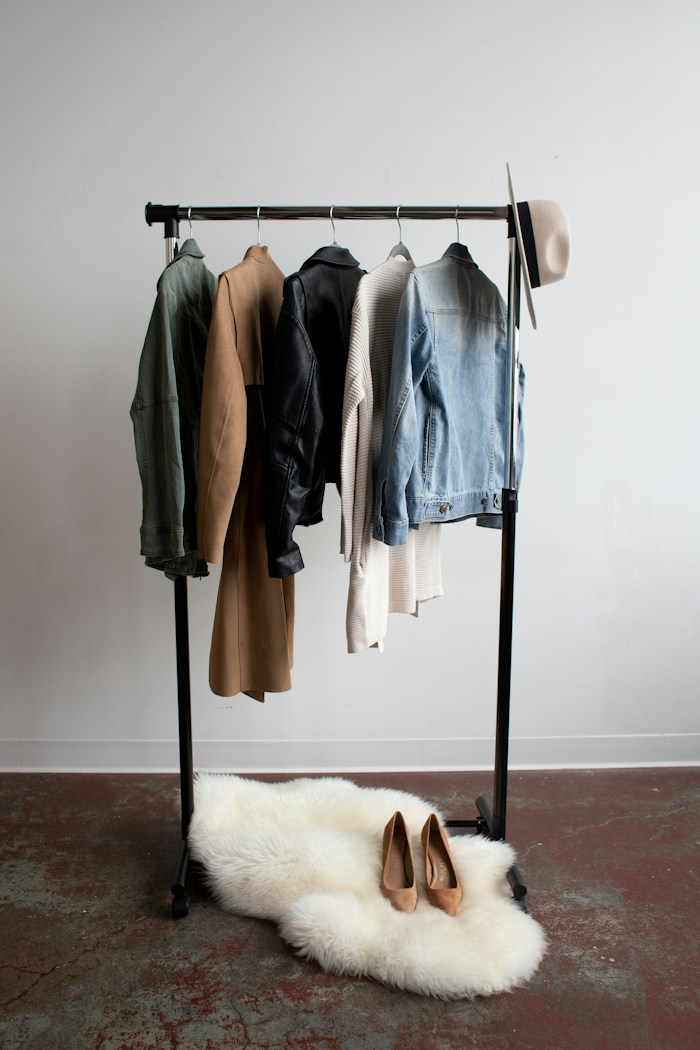 BESTSELLER
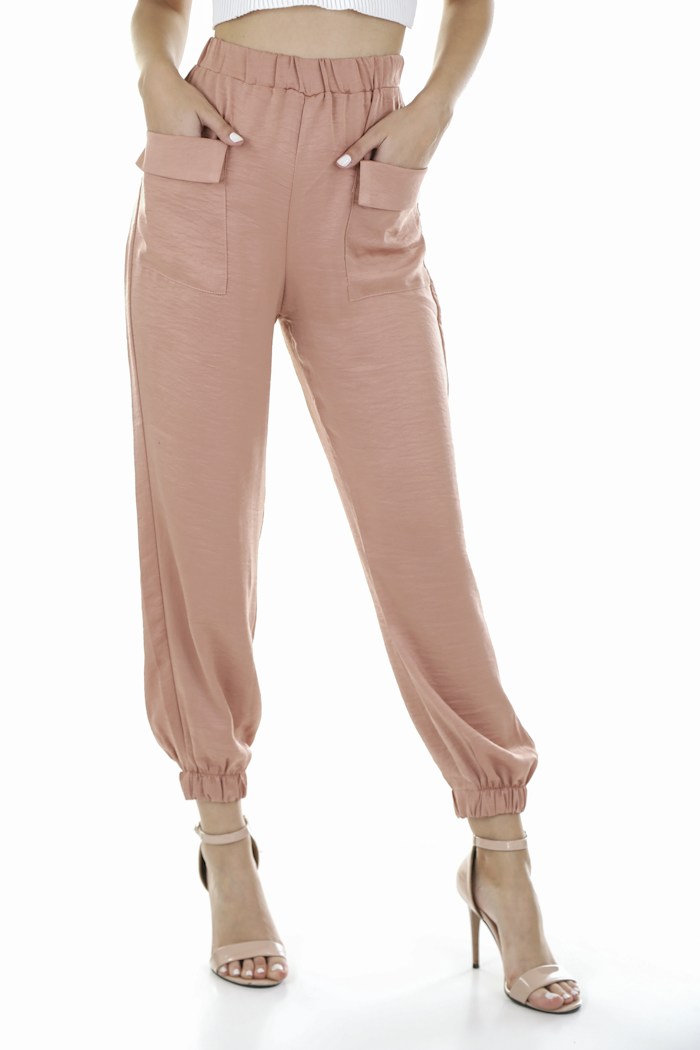 LIMITED
Each variant has its own SKU and stock level.
Brands, Seasons, Categories and Availability.
Outfits, Accessories and Related Products.
Every customer action connects to store data: from variant selection through reservation, payment and returns.
Customers select an exact size and color. The store knows which SKU belongs in the order.
Behind an attractive storefront, product, order, payment and delivery data need to flow reliably.
Customers see what happens next while the business tracks orders, inventory and shipping. Select a step to explore the purchasing flow.
Photos, materials, fit and availability all in one place. Customers do not need to search across different pages.
Clear terms, return requests, statuses and inventory adjustments. We plan this experience during development.
We choose the platform around your range, size and color variations, integrations and growth plans. Here is a quick guide for fashion stores, with a fuller comparison in our article.
WooCommerce is a WordPress plugin. It suits many small and medium fashion retailers with a clear catalogue and standard sales workflows.
When catalogue and workflows fit an established CMS.
Can work well for large product ranges, multiple storefronts, advanced catalogue rules and detailed product management.
When standard WooCommerce configuration no longer meets your needs.
For projects where custom logic matters: a proprietary order system, complex integration architecture or unique business model.
When a ready-made platform cannot meet the requirements efficiently.
The final choice depends on variant count, product data quality, traffic, integrations and budget. We assess these factors before committing to an architecture.
WooCommerce, PrestaShop, Shopify and custom development: capabilities, limitations, pricing and Estonian market requirements.
The Amirel main page features Fashion Shop, a clothing retailer project demonstrating our experience in the fashion sector.
Visit Our Main Page ↗
Costs depend on catalogue structure, product variants, integrations and order workflows, not simply the number of product photos.
Amirel's main page lists indicative package pricing: Start from €2,300, Business from €4,000 and Custom from €8,000. The final fashion store quote follows a requirements review.
Get a Project EstimateTimeline depends on catalogue size, integrations and special workflows. After discovery we provide a roadmap and agreed milestones.
Answers to questions worth discussing before development.
Yes. Each variant can have its own SKU and stock level. If inventory is held in ERP or warehouse software, we plan the corresponding synchronization.
Yes. We can add general size charts plus brand- or category-specific guides with fit and measurement information.
Yes, if the supplier offers supported data formats such as XML, CSV or API. Before quoting, we review the data structure, update frequency and variant mapping.
Yes, if your POS, ERP or warehouse software supports product, stock and sales data exchange. We identify the primary inventory system in advance.
We can build return forms, exchange statuses, notifications and staff workflows. Stock adjustments and refunds follow the agreed process.
It depends on product and variant count, data quality, traffic and filter complexity. We assess your catalogue and consider alternatives if needed.
Yes. We can configure language versions, payments, shipping and technical tax rules. VAT requirements should be confirmed with your accountant.
Provide an approximate product range, size/color structure, ERP or warehouse details, preferred payment and shipping methods and any custom features.
Tell us about your fashion range, variants and processes. We'll assess the scope, suggest the right solution and provide a clear quote without unnecessary features.
Leave your contact details and briefly describe your project